
Physical Drone Game
Small drones become moving targets in a contained play area, with lighting and scores that show the result.
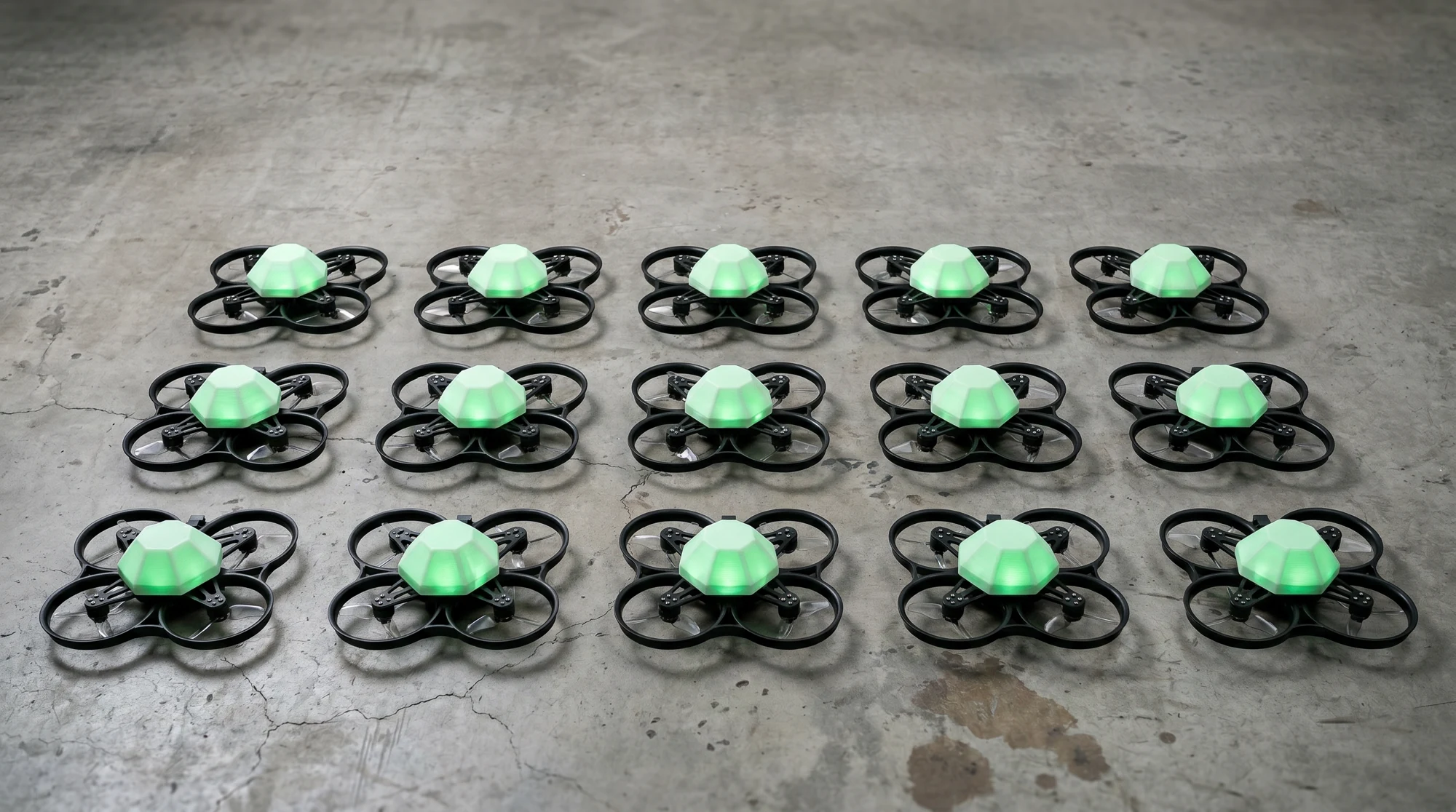
Each Arena drone weighs under 250 g. LEDs show whether a target is active or marked out, so players can follow the game without looking away from the aircraft.
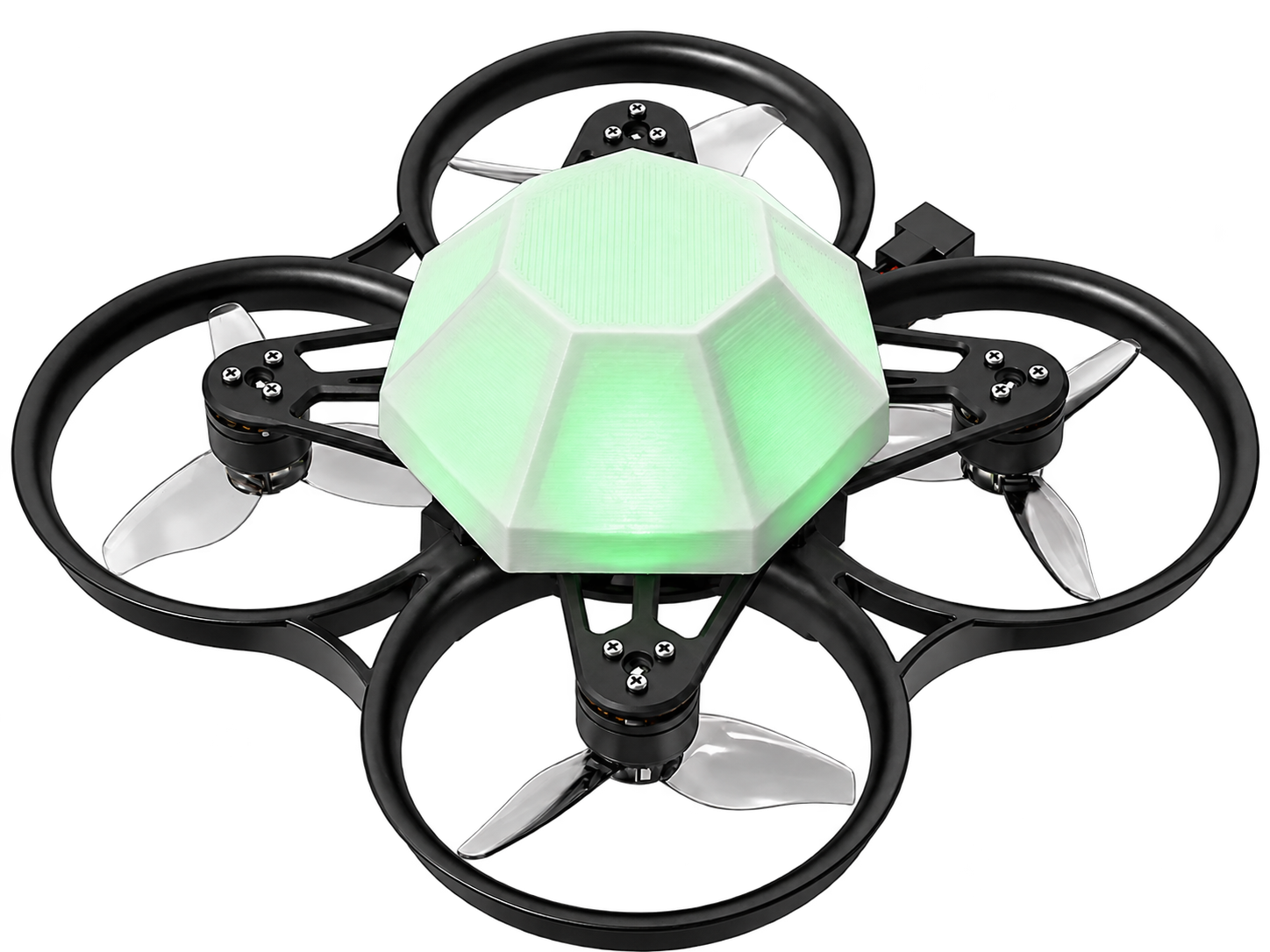
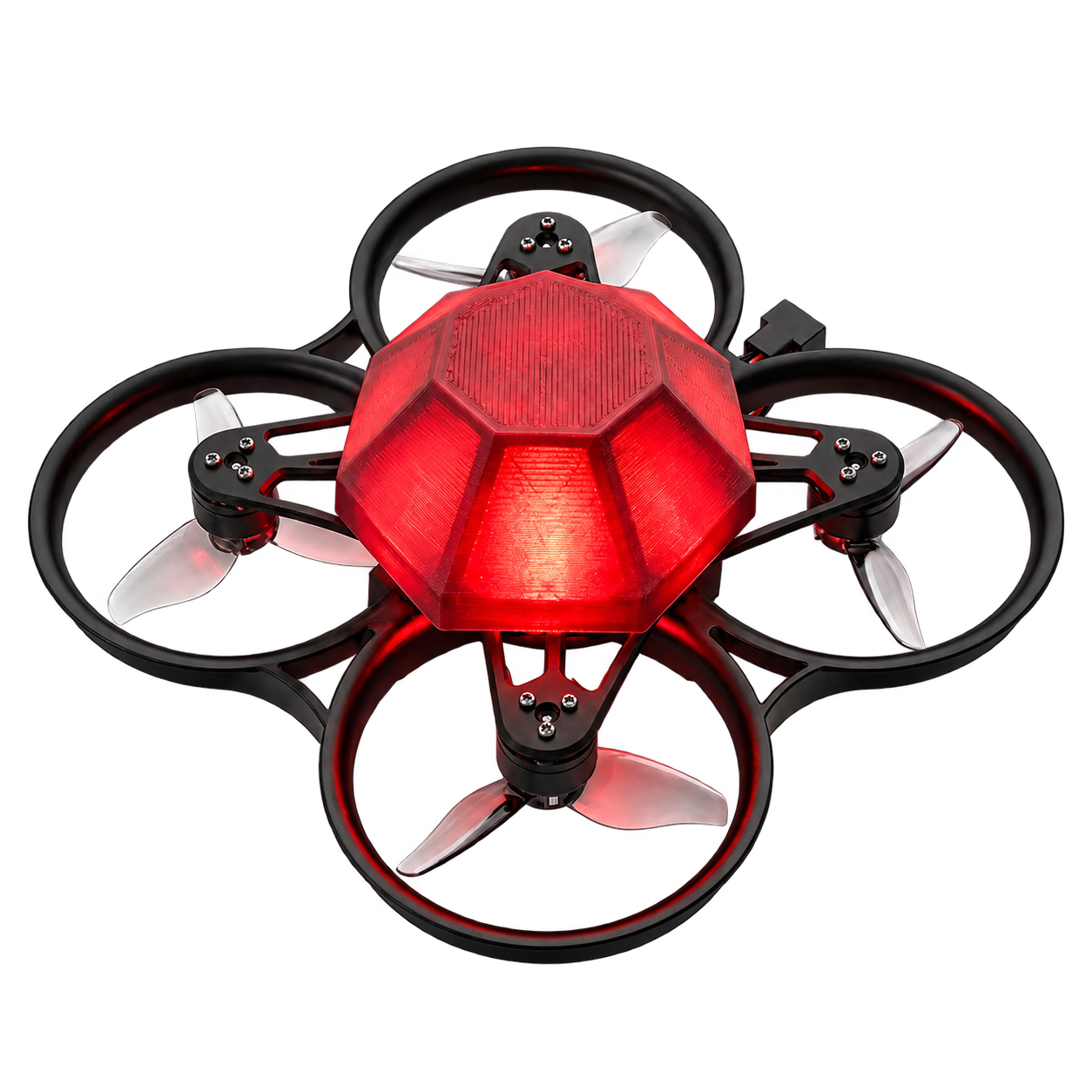
Compact FPV aircraft built for supervised Arena rounds.
A visible state change lets players and spectators see the result of an interaction.
A flexible TPU rubber capsule encloses the electronics, helping protect the technology and cushion contact for safer handling and play.
Parallax Arena is a real-world FPV drone game. Core development is complete, with a limited number of kit preorders opening in Q2 2027. Small drones, targets, lighting and scoring create supervised rounds without projectiles or kinetic engagement.
Limited kit preorders: Q2 2027. Register your venue or operator interest for the first rollout.
Small drones become moving targets in a contained play area, with lighting and scores that show the result.
Target interactions change the game state and score. Staff reset the system between rounds.
Patent pending: 64/075,113. We are preparing the first limited kit release for venues and operators.
Parallax Arena does not shoot, launch, or fire objects at drones. Arena interactions are built around wireless-based, non-kinetic training aids, visible feedback, and operator-supervised rounds.
Arena Go! is designed to interface with almost any unmanned aircraft (UAS) or unmanned ground vehicle (UGV), turning RC toys and existing platforms into training targets.
The Arena system can move between air and ground platforms, with LED state indicators that help players identify their target and follow the round.
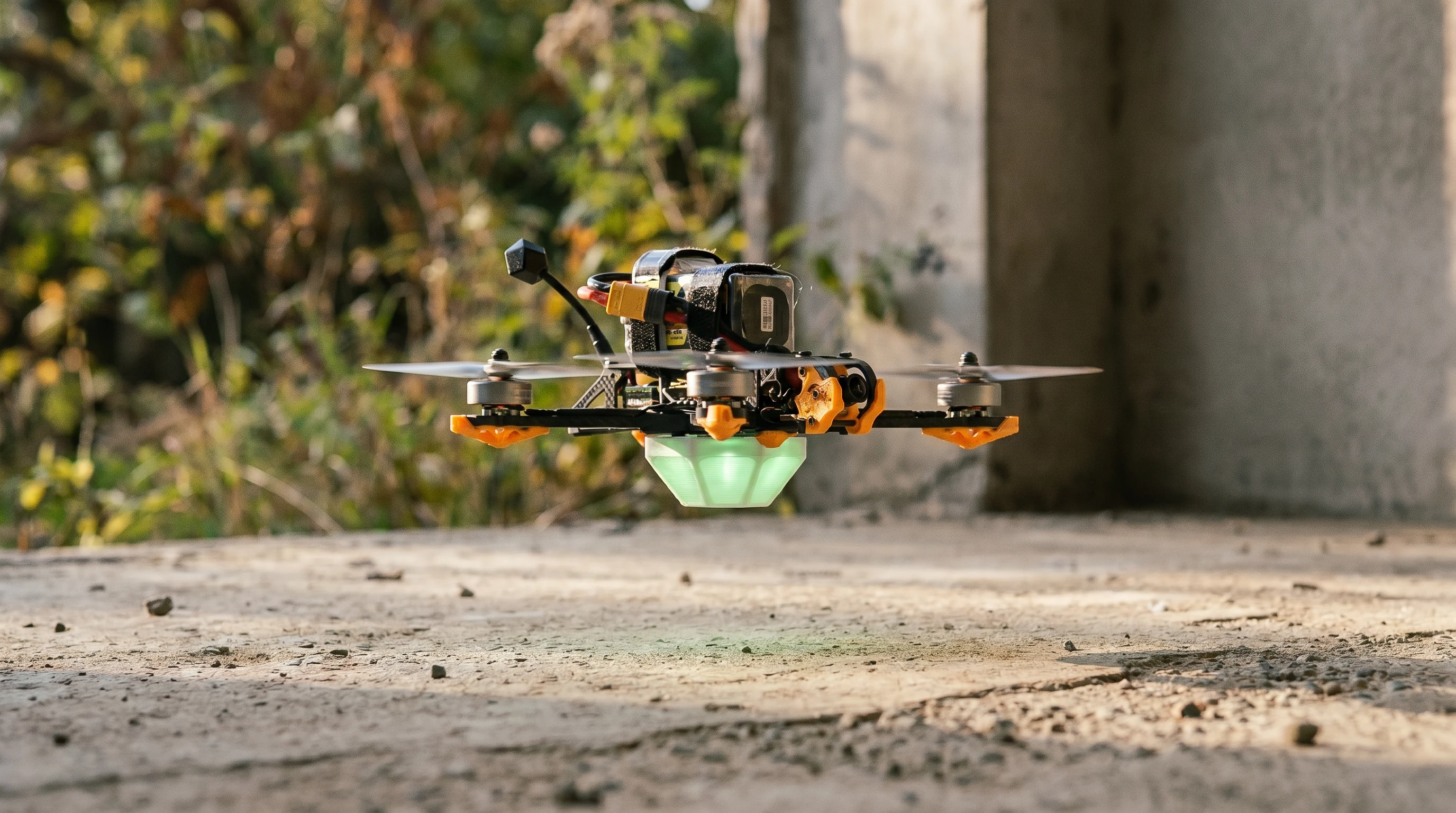
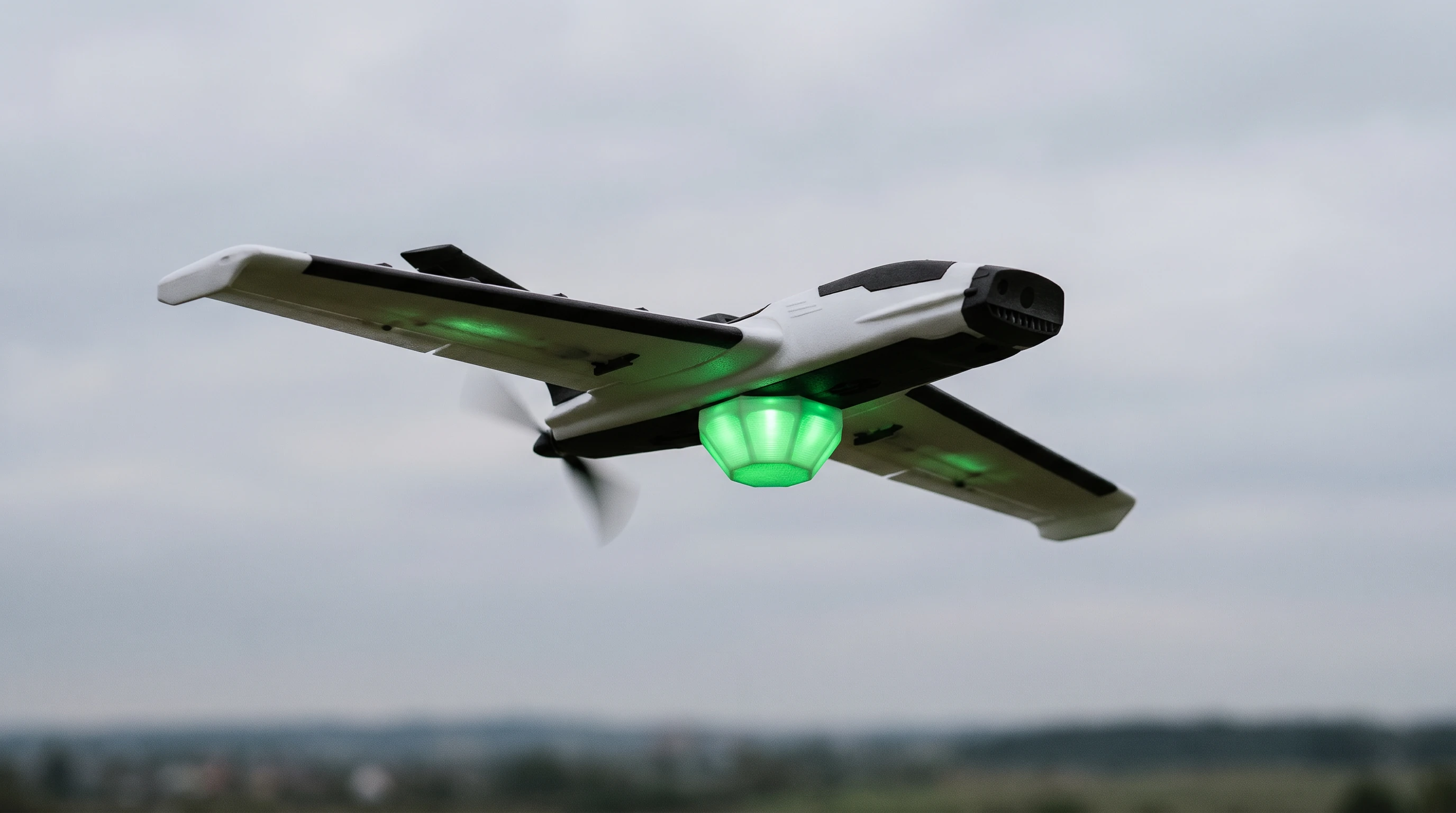
From quadcopters and fixed-wing aircraft to ground vehicles: bring the platform, add Arena Go!, and use it in supervised training.
Explore Arena Go! →Arena can be configured as a staffed attraction for fairs, activity venues and events. Contained flight and visible scores help participants and spectators follow short rounds.
The layout below illustrates one installation format. Space, containment and staffing are planned with each operator.

This illustration shows an Arena installation with contained flight, target zones and visible scoring. Final layouts are matched to the venue.
Netted or bounded play space with operator-supervised entry, reset, and round flow.
Small FPV-class drones used as visible game elements inside the configured area.
Target zones, obstacles, lighting, and score feedback designed around short scored rounds.
Staff manage scoring, resets and the flow of each round from the operator station.

Flight zones, obstacles and target positions are arranged around the available space and the intended game.
The layout can be adapted to the venue, audience, and game format.
Players respond to moving drone targets and follow the round objective. Lighting shows target state, while scoring records the result.
An operator supervises flight, manages the round and resets the system. Scores and timing give participants something to compare when they repeat the exercise.
Lazarus is research into using AI to interpret Arena activity and help an operator follow the round. It is separate from the completed core game system.
The work examines target-state recognition, event records and operator prompts. These functions remain in development and are not promised as features of the first kit release.
Read target zones, round state, and visible arena activity.
Help an operator review score events, timing and resets.
The operator remains responsible for the round and reset.
Set an objective, run the round, review the result and reset for another attempt.
Define the physical space, target zones, obstacles, operator role, scoring format, and round duration.
Small FPV drones move through the defined arena under operator oversight and a clear round structure.
Players follow the objective and respond to moving targets. LEDs show changes in target state.
Record target events and timing so participants can compare attempts.
Review the result with participants, reset the game and try again.
An installation combines aircraft, game hardware and an operator station. The equipment is selected for the venue and intended activity.
Equipment, flight boundaries, and staffing depend on the venue and intended format.
Operators can choose a format that fits their venue and audience.
A supervised drone game for arcades, activity venues and live events.
Register venue interest →A hands-on way to explain drone control, sensors, scoring, safety boundaries, and systems thinking.
Book a STEM session →Structured exposure for teams that need to understand FPV movement, visibility, control limits, and decision timing.
Scope familiarization →Practice round setup, scoring, resets and operator oversight before welcoming players.
Discuss operator setup →Entry-level Arena kits will be sold in quantities of 15 drones. Limited kit preorders open in Q2 2027.
Price TBA
 Register Kit Interest →
We are seeking a limited number of venues and operators for the first Arena rollout. Kit preorders open in Q2 2027; orders fund final manufacturing, system refinements and deployment.
Register Venue / Operator Interest →We review the flight area, containment, audience access, staffing and equipment with you before installation.
Core Arena development is complete. Limited kit preorders in Q2 2027 will fund final manufacturing, system refinements and deployment.
The core drone-game system brings controller inputs, drone-node feedback and scoring together in supervised rounds.
A limited number of kits will be offered for preorder in Q2 2027, with the first rollout focused on venues and operators.
Buyer orders fund the final manufacturing work, system refinements and deployment of the first kits.
The first release is for venues and operators ready to plan and run an Arena installation. Schools, museums and event organizations can also discuss their requirements.
An initial discussion establishes whether your space and team are suited to an installation before you consider an order.
Preorders, venue requirements and operation.
Core development is complete. A limited number of Arena kit preorders will open in Q2 2027. Venues and operators can register interest now.
Venues and operators interested in buying a kit for the first rollout. Schools, museums and event organizations can also discuss their installation requirements.
Arena can be configured for indoor or outdoor sites. Layout, containment, staffing and aircraft are matched to the venue and operating requirements.
Operators supervise each round. Flight boundaries, containment and site procedures are agreed before operation.
No. Arena uses wireless-based, non-projectile scoring. It does not shoot, launch, or fire objects at drones.
Core development is complete. Final manufacturing and deployment are funded through the first limited kit orders; preorders are planned for Q2 2027.
Yes. Arena can introduce flight control, sensors, electronics and scoring to students and museum visitors.
Tell us about your venue, audience, available space and operating team. We will discuss the limited kit preorder release and deployment requirements.
This frontline footage shows the speed and visibility challenges of small FPV drones. It provides context for our familiarization work; it is not footage of a Parallax training event.
Training gives participants repeated exposure to drone movement, sound, distance, and visibility. Sessions can include equipment inspection, flight demonstrations, and a review of what participants observed.
Watch how a small drone changes direction and how its apparent speed changes with distance.
Become familiar with the airframes, cameras, antennas, and controls that make up an FPV system.
Introduce personnel to drone behavior and the equipment they may encounter around events and infrastructure.
Discuss observations and questions while the equipment and demonstration are still fresh.
Arena kits are a separate product offering. Our training services can be booked without an Arena purchase.