
Planned Open Source
A public hardware and software release is planned; source files are not yet posted.
Argus is a portable, low-cost drone detector for frontline soldiers and public safety officers. It is designed around off-the-shelf components, with an open-source release planned. Contact us for a detection evaluation.
A public hardware and software release is planned; source files are not yet posted.
Off-the-shelf components are intended to make the detector affordable to build and maintain.
Passive awareness. No transmission. No aircraft interference. No active countermeasure behavior.
Small drones can be difficult to notice by sight or sound alone. Argus is intended to give its user an alert when drone activity is detected.
The design prioritizes portability, affordable hardware, and alerts that a person can review.
Argus combines off-the-shelf hardware with detection software. Its planned public release will include the source and build documentation; contact Parallax for current evaluation options.
Argus is passive, detection-only, and awareness-focused. It does not transmit, jam, interdict, spoof, disable, or interfere with any aircraft.
Argus development includes RF, Remote ID, acoustic, and optical detection. We confirm which channels are ready and suitable for each evaluation.
Listen for common drone control and video-link bands using accessible SDR hardware.
Read broadcast Remote ID messages from aircraft that transmit them.
Evaluate whether microphone recordings can identify drone rotor sounds in the intended environment.
Evaluate camera-based recognition as another source of evidence about nearby aircraft.
Compare detections from different sensors. Detection performance and false alerts need to be measured in the intended environment.
Show when a detection occurred, which sensor reported it and what information is available for review.
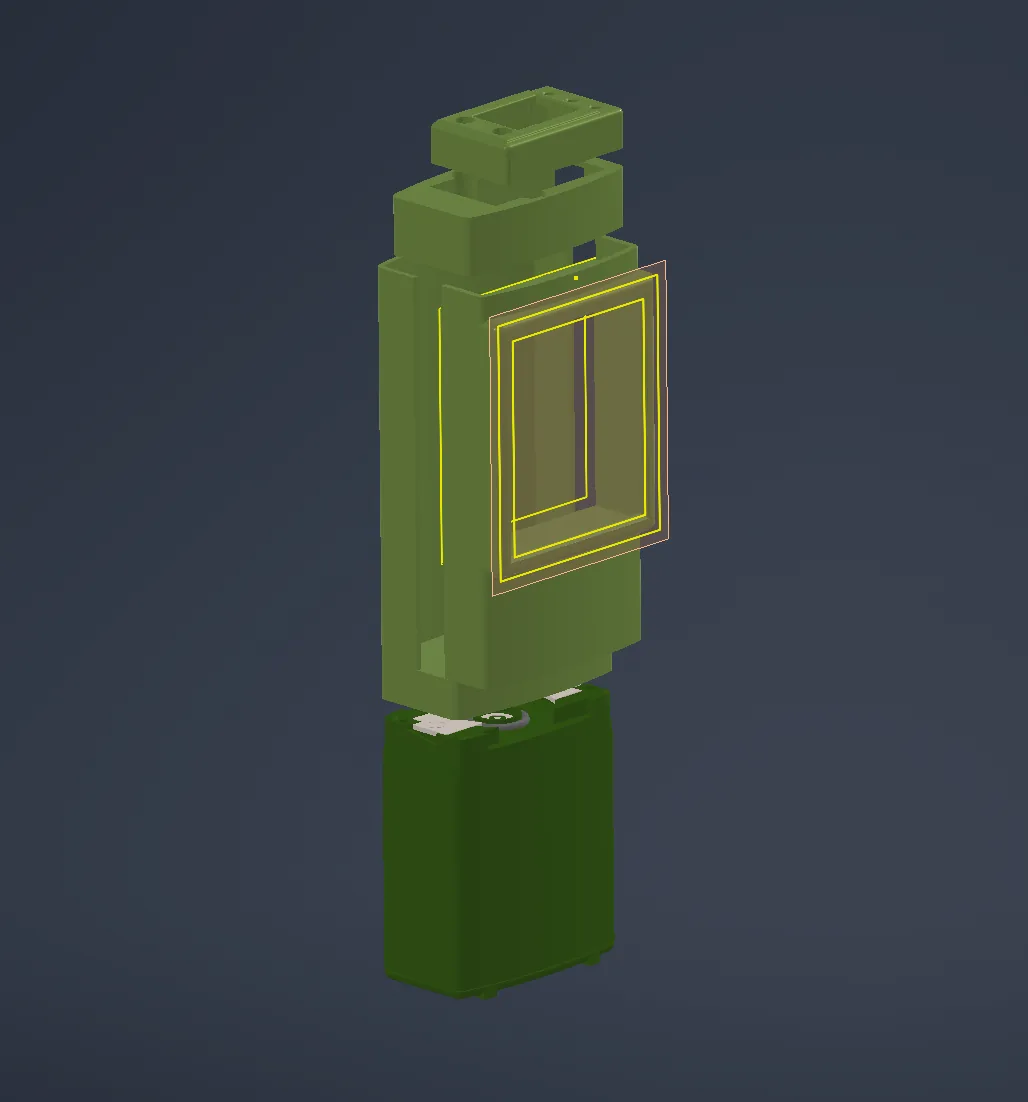
The Argus v1 enclosure concept explores PRC-152-style radio batteries. The aim is to use a familiar battery format for teams that already carry it; compatibility must be confirmed during evaluation.
Argus does not have a public source release posted yet. Early collaborators, educators, researchers, field users, and technical partners should contact Parallax to discuss feedback, early access, and responsible development support.
RF, Remote ID, acoustic and optical detection channels are being evaluated. Available channels are confirmed for each test.
A parts list identifying the components needed for the published design.
Targeted for free use and modification once the public source release is available.
Detection only. No transmission. No interdiction. No interference.
Build notes, configuration guidance, and contribution paths will be published with the source release.
Early feedback is welcome from educators, researchers, operators, and aligned technical collaborators.
Argus is a detection and awareness tool. It does not transmit, jam, spoof, or interdict. Operators are responsible for complying with all applicable local, national, and international laws regarding RF reception, recording, privacy, and airspace monitoring.
The planned open-source release will include build documentation and a contribution process.
Tell us where you need drone awareness and what you want to evaluate. We will confirm the equipment, detection channels, and test requirements.